
Moving problem solved
Moving Belongings From Storage Unit
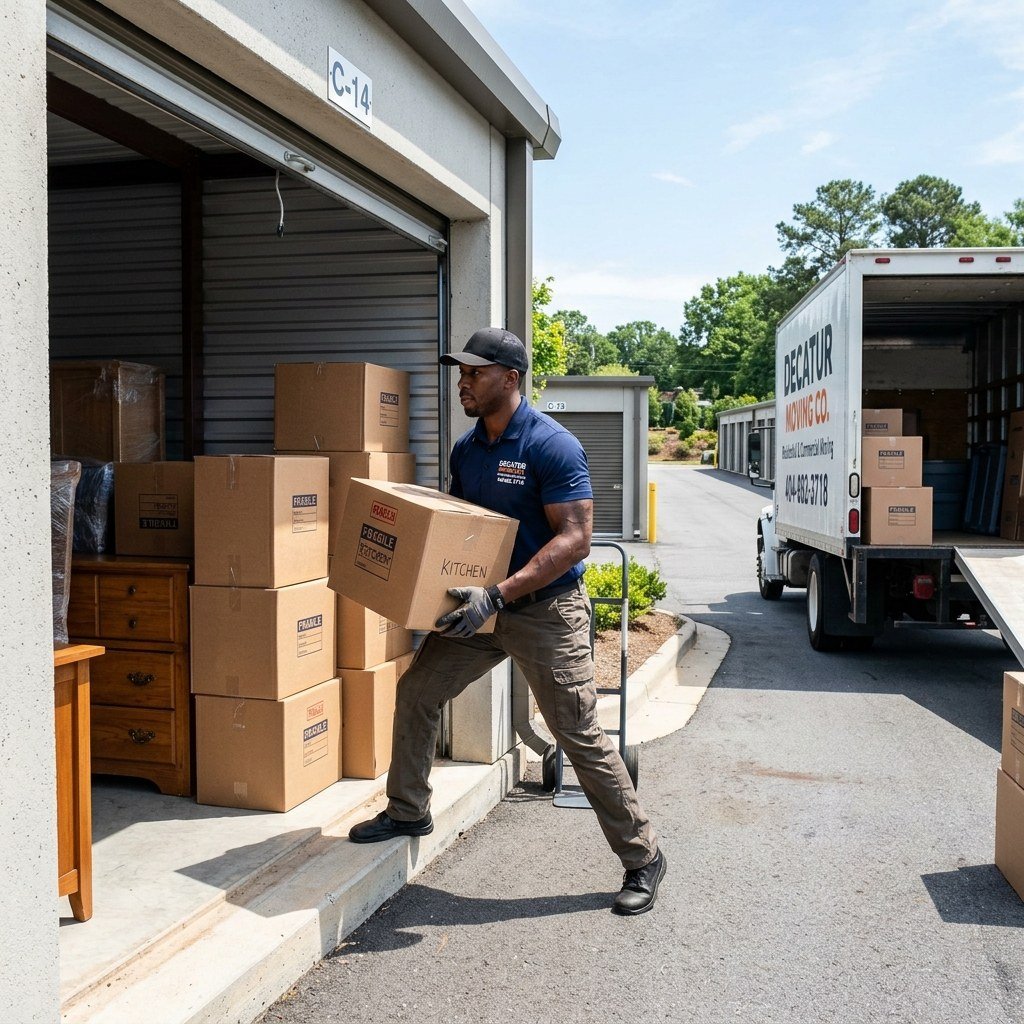
When moving belongings from storage unit, the main challenge is usually not just lifting. Timing, access, property protection, and a workable sequence all matter.
Signs the situation needs a plan
Do not leave these details for moving morning
Why this situation becomes difficult
When moving belongings from storage unit, the main challenge is usually not just lifting. Timing, access, property protection, and a workable sequence all matter. A move can look manageable until the first large piece reaches a stair turn, the truck cannot park close to the door, or the destination changes. The safest approach is to identify the physical and timing constraints before people start carrying.
Risks of waiting too long
Waiting can shrink your scheduling options and force rushed decisions. Rushing increases the chance of overloaded boxes, unprotected furniture, wall and floor damage, unsafe lifting, missed building windows, or a storage plan that does not match the order you will need items later.
How professional moving help addresses it
The crew plan can focus on the hardest parts: protecting large pieces, navigating access, staging boxes, loading by destination or room, and keeping the move aligned with the deadline. For partial moves, the scope can be limited to stairs, oversized furniture, loading, unloading, or selected rooms.
When to call sooner rather than later
Call once you know the likely date and the main access issues. Earlier notice is especially helpful for Saturdays, month-end moves, elevator reservations, and moves involving storage.
Related services
Moving options that may fit this situation
Common questions
What homeowners and businesses ask
Is this something I should schedule quickly?
Yes when the move is tied to a legal, lease, closing, repair, or occupancy deadline. Call or text as soon as the date becomes clear.
What details should I send by text?
Send the deadline, addresses, property type, stairs or elevators, parking limits, and a list of large or unusual items.
Can movers help with only the difficult items?
Yes. Labor-only or selected-item help may be practical when most boxes and light items are already handled.
What if the destination is not ready?
A temporary storage plan may bridge the gap. The loading order should account for what you will need first later.
How can I reduce damage risk?
Clear pathways, measure tight openings, identify fragile items, protect surfaces, and avoid last-minute overpacking of heavy boxes.
What can make the job take longer?
Long carries, stairs, elevator waits, gate access, disassembly, poor labeling, and an unprepared loading area can all add time.